Addiction Treatment Texas: Conquering Stigma and Looking For Assistance
Recovery seldom starts with a pamphlet or a website. It starts with a tough conversation at a kitchen table, a stressed manager calling HR, or a moms and dad viewing a child withdraw behind a locked bed room door. In Texas, where self-reliance and self-direction run deep, requesting for aid can feel like admitting defeat. That belief is effective, and it maintains people ill. It additionally breaks when we put truths, concern, and useful actions on the table.
I have sat with family members throughout the state, from Lubbock to the Rio Grande Valley, and listened to the same themes. People desire modification. They are afraid being evaluated. They are confused about where to go. And they fret they can not manage it. The good news is that addiction treatment in Texas has actually expanded more powerful and extra diverse over the last years. Programs have actually widened their doors to fit realities, not idyllic ones. The task currently is to strip away stigma and make reaching out as regular as seeing a doctor for asthma or diabetes.
What stigma appears like up close
Stigma is not an abstract concept. It is a collection of ideas and responses that form decisions. It turns up in self-talk, in families, in offices, and in plan. In technique, it leads individuals to wait years prior to looking for treatment, to conceal relapses, and to approve danger they would never ever approve in one more illness.
You can find stigma with a few common patterns:
- Equating addiction with an ethical failure rather than a clinical problem that impacts habits and mind function.
- Treating medicine for opioid or alcohol make use of condition as a prop, not as evidence-based care.
- Avoiding words "addiction" when speaking to doctors or insurers, which delays appropriate diagnosis and coverage.
- Withholding help since "they have to hit rock bottom," an idea that disregards avoidable harm and death.
- Assuming therapy needs to be 1 month away from home, when lots of people do much better with outpatient care they can sustain.
Language carries weight. Expressions like addict or addict flatten a human enjoying a label. A small change issues. Individual with a substance usage problem or individual in recovery signals respect and lowers the temperature of the conversation. That modification is not aesthetic. It makes it more likely someone will certainly be truthful with a medical professional or call a treatment program and keep the appointment.
The Texas landscape, in actual numbers and human terms
Texas has seen the exact same nationwide patterns in overdose danger, specifically with fentanyl contamination in the illicit medicine supply. Law enforcement reports, medical examiner information, and hospitalizations with each other reveal a stable surge in deadly and nonfatal overdoses over the past a number of years. The precise matters vary by region and year, however the direction has actually been clear. Families who never ever pictured they would certainly need naloxone now maintain it in a cooking area drawer.
At the very same time, the state has actually purchased wider access. Through the Texas Targeted Opioid Action, a statewide initiative moneyed with government support, more clinics now provide medications for opioid usage disorder, even more first -responders lug naloxone, and more communities host recovery support system. Rural accessibility continues to be unequal. In the Panhandle and Big Bend regions, for instance, it can take hours to get to a detox bed. Telehealth aids, but it can not replace every service. That is the compromise: telemedicine can deliver prompt prescribing and treatment, yet withdrawal monitoring and stabilization occasionally need in-person care.
Alcohol stays the most typical material linked to treatment admissions statewide, complied with by methamphetamine and opioids. Polysubstance usage is the guideline, not the exception. A person might consume alcohol heavily, use meth to stay awake, and take diverted painkiller when collapsing. Great programs analyze the whole pattern and plan accordingly. Narrow therapy strategies that concentrate on a solitary compound tend to miss out on triggers and undercut long-term progress.
What reliable therapy in fact involves
Effective addiction treatment has layers. No solitary program fits everyone, and any individual who assures a one-size course is offering marketing, not medicine. The parts below can be blended and matched based upon severity, security in your home, co-occurring psychological health and wellness requirements, and individual preference.
Assessment and stablizing precede. A comprehensive consumption needs to cover materials used, quantities and regularity, withdrawal background, psychological health and wellness, clinical problems, medicines, housing, lawful issues, and family members supports. For alcohol, benzodiazepines, and opioids, medical oversight during withdrawal can be critical. Complicated withdrawal is not a personality test. It is physiology, and it can transform harmful fast.
Medication can be a keystone. For opioid use disorder, buprenorphine, methadone, and extended-release naltrexone reduce overdose danger and boost security. For alcohol use problem, naltrexone, acamprosate, and disulfiram play distinct functions. A quick example from center: a 43-year-old welder in San Antonio that consumed 8 to 10 beers every night started dental naltrexone, saw yearnings go down within two weeks, then layered on cognitive behavioral therapy once he had the data transfer. Medicines do not change treatment. They make treatment possible.
Therapy and skills training address the routines and ideas that feed compound usage. Cognitive behavioral therapy, inspirational speaking with, and backup administration are well supported by research. Family-based methods aid when home dynamics maintain reactivating old patterns. A dad who works overtime every time his little girl regressions might be doing it out of love, yet the pattern guards her from repercussions and extends the cycle. Household sessions bring these dissimilar intents right into the open and change them.
Peer support and neighborhood issue, though the style varies by individual. Twelve-step groups sustain numerous Texans. Others favor nonreligious choices or peer-led healing community companies that offer training and social tasks without a solitary educational program. The factor is link. Addiction prospers in isolation.
Recovery housing and sober living can bridge the space between inpatient or intensive outpatient and totally independent living. Quality varies extensively. Look for homes that make use of medicine testing fairly, enforce security guidelines regularly, and connect locals to work or training. A home with a terrific site and no framework is a rotating door.
Navigating gain access to in Texas
The state's behavior health and wellness system can be puzzling on the initial pass. A few supports streamline the search.
Texas Health and Person Providers looks after publicly moneyed substance usage solutions, consisting of outpatient counseling, household therapy, youth programs, and healing support. The firm makes use of regional Outreach, Testing, Assessment, and Referral hubs, known as OSAR, to aid people recognize demands and link to neighboring carriers. You can reach an OSAR via the statewide 211 helpline or by seeing the Health and Human Services internet site to find your region. For a person without insurance policy, OSAR is often the fastest doorway right into care.
Many areas companion with nonprofit therapy facilities that accept Medicaid or offer sliding-scale charges. In city locations, wait times may be days. In smaller communities, weeks are feasible. If there is a waiting list, inquire about acting solutions. Some programs provide bridge counseling, peer assistance, or medicine starts while you wait on a complete slot.
Telehealth prescribing has alleviated access to buprenorphine for opioid use disorder, especially after government guidelines were upgraded to permit an initial prescription via video with a prompt in-person follow up. Dependable net still restricts this in some country regions, and personal privacy can be a problem if you share real estate. Clinicians can help problem-solve, from organizing around roommates to organizing facility visits throughout lunch breaks.
Naloxone is widely offered. Texas has a standing order that permits pharmacologists to dispense it without a private prescription, and an over-the-counter version of naloxone nasal spray is on retail shelves nationwide. Lugging it does not label you. It suggests you recognize the fact of the medicine supply and wish to maintain individuals alive.
Texas additionally has a restricted Do-gooder legislation that can provide specific securities for people that call for aid in an overdose emergency, with problems. The information issue and protections are not outright, so do not rely on report. The secure move is to call 911 in any type of believed overdose and be truthful with -responders. Lives rely on rapid action.
What to anticipate with price and insurance
Finances stop treatment more than inspiration does. Here is exactly how most Texans pay for care.
Medicaid covers a range of addiction treatment solutions, consisting of outpatient counseling, intensive outpatient, residential treatment in certain settings, and medicines for opioid use condition. Taken care of care strategies each have networks. If you call a center and they say they do not take your strategy, ask for a cozy handoff to one that does.
Private insurance policy must comply with government parity legislation, which requires comparable coverage for mental wellness and material utilize disorders as for clinical and medical care. Parity does not mean no friction. Insurance providers might need prior permission, limit network selections, or demand step-down care before authorizing extensive solutions. It helps to ask a clinician to document medical need in clear terms, consisting of withdrawal risks, co-occurring conditions, and security concerns at home.
For people paying cash, Texas has a significant number of nonprofit and faith-based companies with gliding range charges. Extensive outpatient programs commonly set you back less than residential therapy and can be just as reliable for modest extent. Short remains complied with by solid outpatient follow up can limit prices without compromising outcomes. When a program tries to sell a set 30-day package to everybody, press them for data or a 2nd opinion.
Addiction treatment in San Antonio, where regional culture matters
San Antonio has developed a broad therapy and recuperation network that reflects its military connections, multilingual population, and strong neighborhood companies. The South Texas Veterans Health Care System offers specialized services for experts with material use and co-occurring PTSD or terrible mind injury. That matters, because common group therapy can miss the mark for somebody that lugs combat trauma. Coordinated treatment in between VA, area centers, and peer assistance decreases dropout.
Bexar Area courts have established diversion programs for individuals whose offenses stream straight from material usage. Recuperation court models, when well run, mix accountability with accessibility to therapy, medication, and case management. The objective is not to protect individuals from repercussions, however to transform a criminal justice touchpoint right into an on-ramp for health.
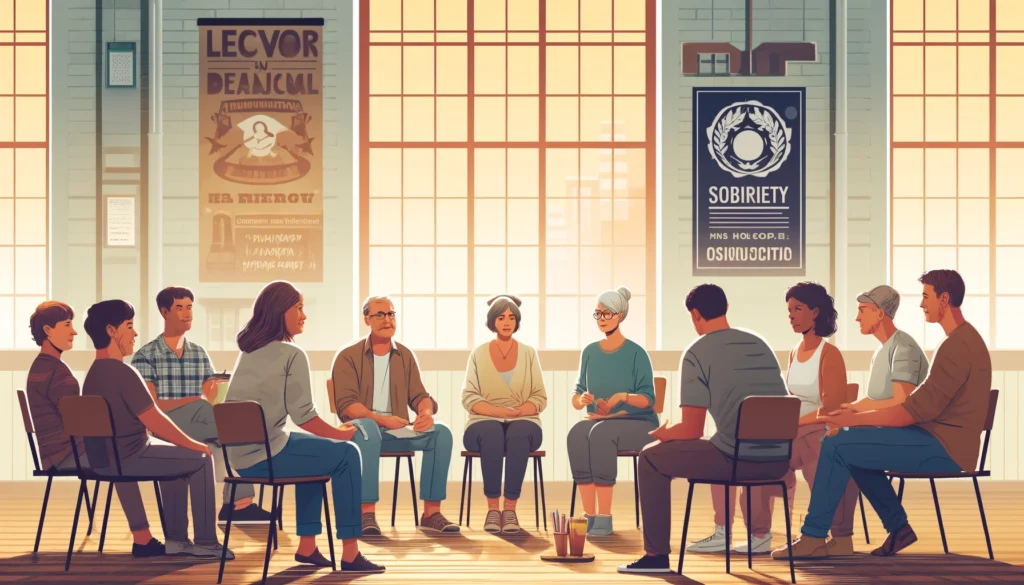
Community-based teams such as Increase Recuperation and the San Antonio Council on Alcohol and Drug Recognition focus on education, young people prevention, and family members support. Many treatment centers here use solutions in Spanish and understand the duty extended family members plays in choices. I have seen grandparents involve family members sessions and end up being the steadying force that keeps a treatment intend on track.
The city area supplies the complete continuum: outpatient centers that start buprenorphine or naltrexone within days, extensive outpatient programs with evening timetables for solution workers, partial a hospital stay programs linked to health and wellness systems, and property facilities for those that require a reset away from triggers. If you look online for addiction treatment in San Antonio, you will locate a lengthy list. To tighten it, inquire about clinician qualifications, whether they Addiction Treatment San Antonio use all 3 FDA-approved medicines for opioid usage condition, typical delay times, and how they coordinate with health care. A great program solutions quickly and plainly.
Faith, culture, and privacy
Faith neighborhoods play a major duty in Texas health choices. Many people initial divulge an issue to a priest or ordinary leader. That is not an obstacle. It can be a bridge. When faith-based assistance couple with evidence-based treatment, end results boost. The key is quality concerning functions. Spiritual advise can strengthen motivation and fixing relationships. Medical care handles withdrawal risk, cravings, and anxiety. Neither replaces the other.
Privacy worries postpone more treatment than any kind of various other barrier after cost. Federal confidentiality regulations details to compound use therapy, typically called 42 CFR Component 2, location stringent limits on sharing treatment information. Medical professionals can not disclose information to companies or household without authorized approval, other than in uncommon emergencies. If your job entails an industrial chauffeur's certificate or safety-sensitive responsibilities, different policies may use and you ought to ask your employer's health and wellness solutions to describe them in writing.
How family members and employers can assist without making it worse
Families often try to assist by managing or pleading. Neither works for long. The more effective stance is calm, regular, and bound to actions. That may appear like spending for a preliminary examination however linking ongoing financial backing to complying with a treatment strategy. It may look like declining to cover legal fees yet supplying to participate in household sessions.
Workplaces have more leverage than they realize, and they can use it to support healing. A clear path to request leave for treatment, discretion assurances, and a return-to-work plan with graduated obligations all boost the chance an employee will certainly request help early. Drug-free office plans need to not be quiet on treatment. Spell out that self-disclosure before a security event will be met with support and a reference to care when practical within legal and security constraints.
A simple, credible initial step
The void in between wanting assistance and acting is generally a day or 2. People await the perfect strategy and shed momentum. A small checklist maintains it moving.
- Call 211 or your area's OSAR to determine close-by programs and ask which take your insurance or deal moving scale.
- Ask your medical care medical professional for an appointment and be direct regarding material use and any withdrawal history.
- If opioids are entailed, acquire naloxone the same day from a pharmacy and find out just how to make use of it.
- Clear 2 or 3 instant barriers, such as child care or transport, for the very first week of appointments.
- Tell one encouraging person your plan and ask them to check in after each check out for the initial month.
None of these steps calls for a dedication to a specific program. They set a floor of safety and maintain an individual linked enough time to make even more durable decisions.
Choosing quality: signs a program deserves your time
When you speak to a company, listen for nuance. Rigid promises or scare methods usually suggest advertising is in the chauffeur's seat. A top quality facility or property program will clarify alternatives, inquire about your goals, and change intensity over time. They will use or work with medications when suggested. They will respond to concerns about regression and discharge preparation before you sign a form.
I once worked with a 29-year-old mom from the Coastal Bend who had attempted 3 programs focused on abstaining without medicine. She seemed like a failure each time she fell back. A neighborhood facility in San Antonio started buprenorphine, then layered on trauma-focused treatment and parenting courses that fit her work routine. She stabilized, gained back partial custody, and transferred to evenings so child care corresponded. The distinction was not self-discipline. It was a plan that fit her life and a team that adjusted to her reality.
Rural realities and workarounds
In components of Texas, the nearby detoxification is 90 miles away and there is no public transit. Those realities transform methods, not the goal. Clinics can coordinate with regional emergency situation divisions to manage clinically made complex withdrawal when needed. Primary care medical professionals can start medications for alcohol use disorder and manage them with telehealth check-ins. Peer recovery coaches travel, often meeting people at collections or churches. For methamphetamine or drug use condition, backup monitoring, which rewards healthy habits with moderate, organized motivations, can be provided from another location with cautious design. None of this is perfect. It is much better than awaiting an excellent source that may not arrive soon.
Legal entanglements and treatment
Many Texans first go into therapy via probation or after an arrest. The quality of that entrance issues. Programs that function very closely with probation police officers and courts can reduce mixed messages and help establish realistic assumptions. A person on drug for opioid use condition ought to not be required to taper off merely to please a condition that does not straighten with clinical evidence. If that gets on the table, request for an instance meeting with the therapy service provider, the managing policeman, and, if needed, legal guidance. These conversations can be strained, however they frequently settle towards safety and security when all celebrations listen to the medical rationale.
Online searches and what they miss
When individuals kind Addiction treatment texas or addiction treatment right into a search bar, they obtain a glossy checklist of centers with strong SEO. Some are outstanding. Some are not even in Texas. Directory sites can aid, yet they filter by settlement sources and marketing spending plans as long as by quality. Balance that with referrals from neighborhood clinicians, recovery area organizations, and individuals who have utilized the program. In San Antonio, for instance, a short call to a major health and wellness system's behavior health intake can clarify who has beds this week, which outpatient clinics are approving brand-new people, and which programs can see a person after 5 p.m.
Setbacks, disclosure, and determining progress
Relapse is common, especially early. Treat it like a flare of a persistent illness. The action ought to be swift and proportionate, not shaming. If a person on buprenorphine utilizes when, the repair may be a dose change, an additional therapy session, or eliminating a trigger. If alcohol usage returns daily with withdrawal signs and symptoms, a quick stabilization might be safer. Employers value candor secured in a strategy. I have aided individuals compose a neutral, privacy-respecting message to a manager: I am dealing with a health problem with my medical professional. I might require timetable flexibility for a number of weeks. HR can confirm the information. That level of disclosure shields personal privacy while indicating responsibility.
Measure progress over months, not days. Search for less dilemmas, more predictable regimens, boosted sleep, and steadier mood. Lab examinations and adverse medicine displays matter much less than the return of average life: paying expenses, showing up for household, enjoying a silent Sunday.
Bringing it back to courage and craft
Overcoming preconception is not just regarding encouraging the general public. It is about developing systems that are worthy of depend on. Texas has moved in that direction, broadening medications, sustaining healing companies, and investing in area education. Spaces remain, especially in rural access and cost for the underinsured, but we have much better tools than we did even five years ago.
If you are considering assistance for yourself or somebody you like, act upon the tiniest following action. Phone. Ask a straight concern. Get naloxone. If San Antonio is home, use its network. If you are hours from the local city, use telehealth and local facilities to build a convenient plan. There is no prize for suffering much longer. There is peaceful dignity in using the treatment that works. And there is a Texas variation of recuperation that appreciates independence while acknowledging that every person, eventually, needs a hand.